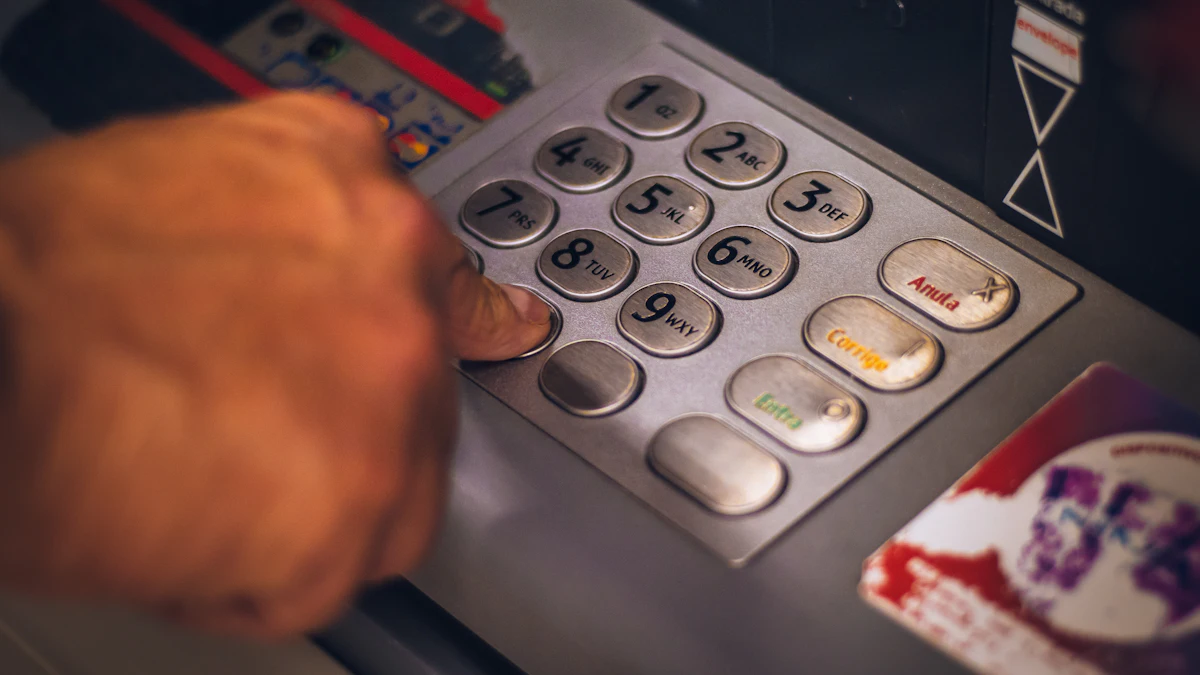
Albuquerque has approved a citywide ban on cryptocurrency ATMs and certain cashier-assisted crypto transactions, giving operators 45 days after the ordinance takes effect to remove existing machines.
The Albuquerque City Council announced approval of Ordinance O-26-49 on September 10, 2026. The measure reaches beyond kiosk owners: retailers, landlords and other property hosts can also face enforcement if they permit a covered machine or in-person transaction on their premises.
The key boundary is just as important. According to the City Council’s announcement, Albuquerque is not banning cryptocurrency ownership, mining, software development, private transfers or use of internet-based exchanges. It is removing a physical cash-to-crypto channel that city officials say is routinely exploited in impersonation and coercion scams.
Albuquerque crypto ATM ordinance: the short version
- Approved: September 10, 2026
- Covered: public virtual-currency kiosks and cashier-facilitated in-person crypto transactions
- Effective date: five days after publication by title and general summary
- Existing machines: must stop operating when the ordinance becomes effective and be removed within 45 days
- Still permitted: lawful ownership, mining, software work, private transfers and internet-based transactions that do not involve a covered kiosk or cashier-assisted transaction

What exactly did Albuquerque ban?
The adopted ordinance text prohibits installing, operating, servicing, advertising or hosting a virtual currency ATM in the city. Its definition is broad enough to cover a public self-service device that lets a customer buy, sell, exchange, send or receive virtual currency using cash, cards, electronic payment or another digital asset.
It also bars “cashier-facilitated” transactions. That provision covers an employee or intermediary who collects payment in person on behalf of a virtual-currency provider, even when the customer starts the transaction through a website, mobile app or point-of-sale system.
The city can pursue operators and hosts. Available consequences include cumulative daily fines, business-license revocation and court orders compelling removal. Each prohibited machine can count as a separate violation.
One timing point deserves care: council approval is not the same as immediate legal effect. Section 4 says the ordinance takes effect five days after its title and general summary are published. Existing machines then must cease operating, and the 45-day removal period runs from that effective date. The city had not posted a fixed calendar removal date in the materials reviewed for this article.
Why the city chose a ban instead of transaction limits
Albuquerque’s council framed the measure as consumer protection, arguing that scammers use kiosks to turn cash into irreversible transfers before a bank or payment processor can intervene. The bill’s findings emphasize government- and business-impersonation schemes in which a victim is pressured to withdraw cash, travel to a kiosk and scan a QR code controlled by the scammer.
Federal data support the broader concern, though they do not establish that every kiosk transaction is fraudulent. In a May 15, 2026 bulletin, the FBI’s Internet Crime Complaint Center said it received 13,460 complaints involving cryptocurrency kiosks in 2025, with adjusted reported losses of $388.98 million. Complaints rose 23% from 2024 and losses rose 58%. More than half of the complaints involved people over 50, whose reported losses exceeded $302 million.
For New Mexico, IC3 listed 109 complaints and roughly $2.27 million in adjusted losses in 2025. The FBI cautions that these figures cover complaints in which a kiosk was used somewhere in the scam; a complaint can include other transaction methods, so the total cannot be attributed solely to kiosk deposits.
The Federal Trade Commission has described the recurring pattern in similarly concrete terms: an unexpected call, message or pop-up creates urgency; the scammer tells the target to withdraw cash; and a supplied QR code sends the kiosk deposit to the scammer’s wallet. The FTC’s consumer guidance says legitimate businesses and government agencies will not instruct people to use a Bitcoin ATM to protect money or resolve a supposed problem.
The ordinance draws a line between access and abuse
Albuquerque chose a categorical local prohibition for physical kiosks and cashier-assisted transactions. The policy bet is that removing the cash conversion point will disrupt high-pressure scams more effectively than adding another screen or disclosure.
That choice also narrows the ordinance’s reach. A resident can still hold or transfer Bitcoin, Ether or another digital asset, use a personal wallet, mine crypto, develop blockchain software or transact through an online platform, provided the activity does not use a prohibited public kiosk or cashier intermediary in Albuquerque.
For retailers, the practical issue is no longer only whether they own a machine. The host language covers a business or property controller that allows one to remain. Operators and store owners therefore need to track the ordinance’s publication and effective date, not estimate the deadline from the council vote alone.
The move fits a wider shift toward attacking the physical and organizational chokepoints used by crypto-enabled fraud. In a separate federal action this week, the Justice Department restrained more than $52 million in digital assets tied to an alleged scam-services network, as CRYPTO MAIN NEWS reported. Albuquerque is acting at a different layer: the local cash-entry point.
What happens next
The city says it will notify known kiosk operators and retail hosts. Once the ordinance is published in the required form, the five-day effective-date period and subsequent 45-day removal window become the dates to watch.
Enforcement details may also determine the policy’s reach. The ordinance authorizes action against both the operator and host, but the public record reviewed here does not yet show how Albuquerque will identify every machine, sequence inspections or handle a legal challenge. Those are implementation questions, not settled facts.
Frequently asked questions
Did Albuquerque ban Bitcoin or cryptocurrency?
No. The ordinance expressly preserves lawful ownership, possession, mining, software development, private transfers and internet-based crypto transactions that do not involve a prohibited physical kiosk or cashier-facilitated transaction.
When must Albuquerque crypto ATMs be removed?
Within 45 days after the ordinance’s effective date. The ordinance becomes effective five days after publication by title and general summary, so the final calendar deadline depends on that publication date.
Who can be penalized?
Both operators and hosts, including retailers, property owners, landlords or other businesses that permit a covered machine or cashier-facilitated transaction. The city may seek daily fines, business-license consequences and injunctive relief.
Source note: This report relies on the Albuquerque City Council’s September 10 announcement, the full text and legislative record for O-26-49, FBI IC3 kiosk data published May 15, 2026, and FTC consumer-fraud guidance. No affiliate links are included.
Investment disclaimer: This article is provided for general information only and does not constitute investment, financial, legal or tax advice. Digital assets are volatile, and all investment decisions and their consequences are your own responsibility.